Christmas Candles: A Designer's Review for Craft Fairs
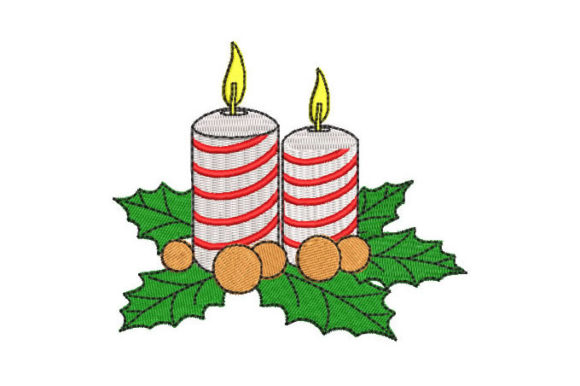
As an experienced embroidery designer who has spent countless weekends setting up booths at local craft fairs and managing a busy handmade shop, I know that the difference between a design that sits in your library and one that actually sells comes down to presentation and practicality. When I first encountered the Christmas Candles machine embroidery design, I immediately started visualizing it on my display tables. The description paints a picture of something "cute and cozy" that promises to brighten up festive designs, which is exactly the kind of emotional hook that draws customers into a booth.
In this review, I am putting myself in the shoes of a boutique maker preparing for a holiday market. I am evaluating whether Christmas Candles is the right asset for my inventory, how it translates from a digital file to a tangible product, and where it will shine brightest among the sea of handmade goods.
The First Impression: Cozy and Festive
The title and description suggest a design that leans heavily into the farmhouse and rustic aesthetic that has dominated the handmade market for years. Words like "cute," "cozy," and "beautiful" indicate that Christmas Candles is not an avant-garde or ultra-modern piece; instead, it feels warm, inviting, and traditional. For a craft fair seller, this mood is gold. Customers browsing holiday stalls are looking for nostalgia and comfort, and a design featuring candles naturally evokes the feeling of a quiet evening by the fire.
This design feels versatile enough to work as a small accent on a kitchen towel or a larger focal point on a pillow cover. It strikes a balance between decorative and functional, which is crucial for items that buyers intend to use rather than just hang on a wall. If you are an Etsy seller or a digital entrepreneur selling design assets, knowing that this style appeals to the broad demographic of home decor lovers is a significant advantage.
Product Potential: Where Christmas Candles Shines
To maximize the return on investment for this embroidery file, I have analyzed its performance across several key product categories commonly found in successful handmade shops.
- Kitchen Towels and Tablecloths: This is arguably the strongest category for Christmas Candles. The design fits perfectly on the hem of a tea towel or the corner of a tablecloth. The imagery of candles aligns beautifully with dining and cooking themes, making it a logical gift for hosts and foodies. These items are high-velocity sellers during the holidays because they are affordable yet feel personal.
- Tote Bags and Market Bags: A tote bag design needs to be visible but not overwhelming. If Christmas Candles is sized correctly, it adds a charming touch to a canvas tote without dominating the fabric texture. These are excellent impulse buys for shoppers carrying other gifts.
- Apron Embroidery: For the baker or cook, an apron featuring this design is a premium gift item. The cozy vibe of candles complements the utility of an apron, creating a product that feels both stylish and useful.
- Pillow Covers and Home Decor: Soft furnishings allow for larger stitch areas. If the design includes rich thread colors, a pillow cover can serve as a statement piece for a coffee table or mantel, significantly increasing the perceived value of the finished product.
- Embroidered Patches and Caps: While caps require careful placement due to their curved surfaces, a smaller version of Christmas Candles could work well as a patch on a beanie or a baseball cap. However, this depends heavily on the specific details of the file.
Production Realities and Selling Points
From a production standpoint, the success of Christmas Candles relies on how easy it is to execute consistently. In a batch production environment, you need a design that does not require constant adjustments. The description mentions it is suitable for various fabrics, but the actual result depends on your setup.
One of the most critical aspects for an Etsy seller or small shop product creator is photography. A design that looks great in person must also translate well to a screen. Christmas Candles, with its likely warm tones, should photograph beautifully under natural light, creating an inviting image for online listings. However, if the design contains tiny details, those may get lost in a thumbnail view, so you must ensure your mockups highlight the texture and depth of the stitches.
For commercial embroidery businesses, repeatability is key. Can you hoop this design ten times in a row without losing alignment? Does it look consistent on different colored fabrics? If the design is too dense, it might cause puckering on lightweight fabrics, which would ruin the professional look of your booth samples. You want every item to look like a premium, handmade quality product that justifies the price tag.
Cautionary Notes for Designers
Even the best-looking designs can fail if technical limitations are ignored. Before turning Christmas Candles into a revenue stream, there are several factors you must evaluate.
Stitch Density and Detail: Candle flames often involve fine lines and gradients. If the stitch density is too high, the fabric may become stiff and lose its drape, especially on towels or aprons. Conversely, if the details are too small, the flame effect might look muddy when stitched out. Always check the hoop size requirements to ensure the design isn't trying to fit into a space that is too small for its complexity.
Fabric Texture and Color: Textured towels can hide intricate stitching. If you are using a thick, waffle-weave towel, the design might not pop. Similarly, dark fabrics require a solid underlay and potentially a higher thread count to ensure the colors stand out. Without proper contrast, the "bright" aspect of the design description might fall flat.
Curved Surfaces: If you plan to embroider this on caps or rounded pouches, be aware that distortion is a risk. Designs with straight lines or large blocks of color often warp more easily on curved surfaces than simple logos. Test these applications thoroughly before committing to a full run.
Essential Designer Workflow
To ensure Christmas Candles becomes a bestseller, follow these practical steps derived from years of field experience:
- Test on Scrap Fabric: Never go straight to your final product. Run the embroidery file on scrap material that matches the weight and texture of your intended item. This reveals issues with tension, stabilizer choice, or fabric shift.
- Check Thread Contrast: Review the thread colors provided in the file. Do they offer enough contrast against your target fabric? Sometimes, a slight adjustment in the digitization or a manual thread change yields a much better result.
- Confirm Stabilizer Needs: Different projects require different support. A kitchen towel might need tear-away stabilizer, while a tote bag might require cut-away for durability. Using the wrong stabilizer can lead to misalignment or poor washability.
- Create Real Mockups: Don't rely solely on digital previews. Create at least one real mockup to see how the design behaves in 3D space. This helps you identify shadows, highlights, and texture issues that a computer screen cannot show.
- Verify Commercial Licensing: Before selling finished products, confirm the commercial licensing terms of the digital embroidery file. Ensure you are legally allowed to produce and sell items made with this design.
Final Thoughts on Visual Appeal
Ultimately, Christmas Candles has the potential to be a standout piece in any holiday collection. Its cozy, nostalgic vibe resonates deeply with buyers looking for meaningful gifts. By carefully managing production variables and focusing on high-quality execution, you can turn this design into a reliable source of income for your business.
Whether you are adding it to your printable mockup library for marketing or stitching it onto physical goods for a weekend market, remember that the customer is buying the feeling the design evokes. Christmas Candles offers warmth and tradition, two things that never go out of style. With the right preparation and attention to detail, this design can elevate your brand consistency and drive engagement at your next craft fair or online storefront.